

These are complex years. Years that demand clarity, continuous adaptability, and an active presence within uncertainty. A condition that runs through organizations even before it touches individuals, putting pressure on processes, relationships, roles, and decisions.
At work, this translates into increasingly rapid demands, ambiguous contexts, distributed responsibilities, and high expectations. In professional relationships, new fragilities emerge: cognitive fatigue, difficulties in alignment, and the struggle to maintain vision and trust over time.
It is a scenario we know well. We encounter it in teams, in leadership journeys, in those moments when clarity would be needed and instead noise prevails. Not because skills or tools are lacking, but because inhabiting this complexity requires something more: space to think, to question, to avoid closing too quickly on an answer. From here comes the need to bring back to the center ways of working that allow us to orient ourselves, to learn, to make decisions without losing contact with what truly matters.
Perhaps this is also why, instead of adding more complexity, we felt the need to return to something more essential. To reconnect with a genuine, almost innocent part of ourselves. We wanted to try to stay grounded in reality with more humanity, more presence, more peace.
A child plays while exploring, falling and getting back up. They do not play so much to win as to grow, learn, compare themselves, understand where they are and who they are in relation to others. In that gesture lies a form of deep intelligence. A willingness to experience that calls for attention. A trust in the process that today, perhaps more than ever, feels necessary.
Over the course of this year, we have worked together within spaces that required precision, responsibility, and the ability to orient oneself. In those contexts, it became evident how much it matters to inhabit work without closing too quickly on an answer, how necessary it is to allow time for thought, to let questions mature, to recognize what is emerging even before knowing where it will lead.
For us, play is connected to this: it is one of the most serious ways we know to learn, to make better decisions, and to stay in relationship with what we are truly doing. With the willingness to explore, with trust in the process, with a form of learning that passes through experience and relationship before solution. A mental posture that allows experience without having to immediately have an answer, that holds imagination and responsibility together.
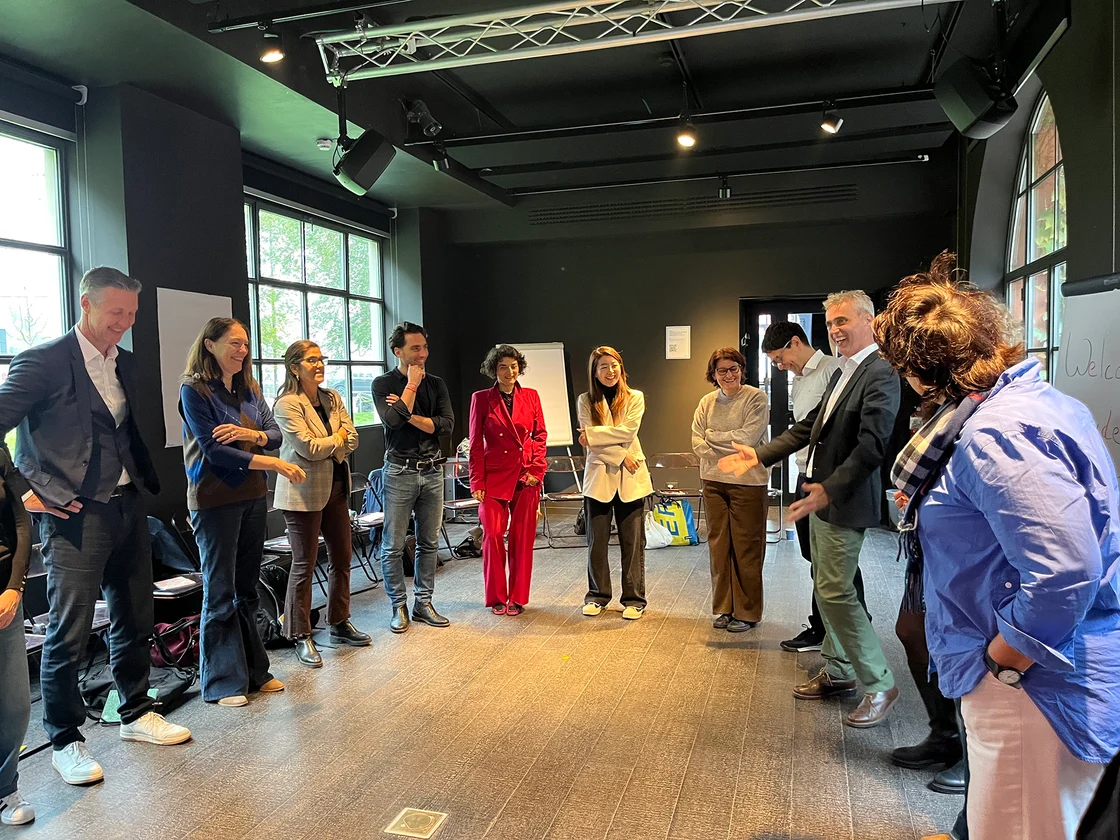
As Sara Ricciardi, artist and designer, reminds us, play is never the absence of rules.
“Without rules there would be no understanding, just as an emotion cannot exist without a body. We need boundaries and limits for creation to happen. But the rules of creativity should not be cages, only exercises in displacement. Changing posture, looking at a situation from another angle, breaking problems into pieces and recombining them into new forms, even monstrous ones! Lateral thinking has its rules, just like logic. It requires effort, momentum, listening, contradiction, and the ability to change perspective.
This is how inventions are born, and science knows it well—if we hadn’t been a little crazy, today we wouldn’t even have the telephone. To fray, to invent, to interpret. Play is a powerful tool for opening up to new doses of knowledge.”
This is also where the work of Dora Bugatti, game designer and experiential trainer, begins when she designs a play experience. The game takes shape in her studio, but it truly becomes a game only when it enters the classroom. Until then, it remains an open possibility, a structure that has yet to encounter bodies, relationships, and unpredictable reactions. The game lives when it is played.
And there is a key passage that makes it a serious matter: the moment when fun stops being an end in itself and becomes learning. While people are truly inside a game—within clear rules, recognizable patterns, spaces where they can move with pleasure—they have fun. When the expectation of “really playing” is met.
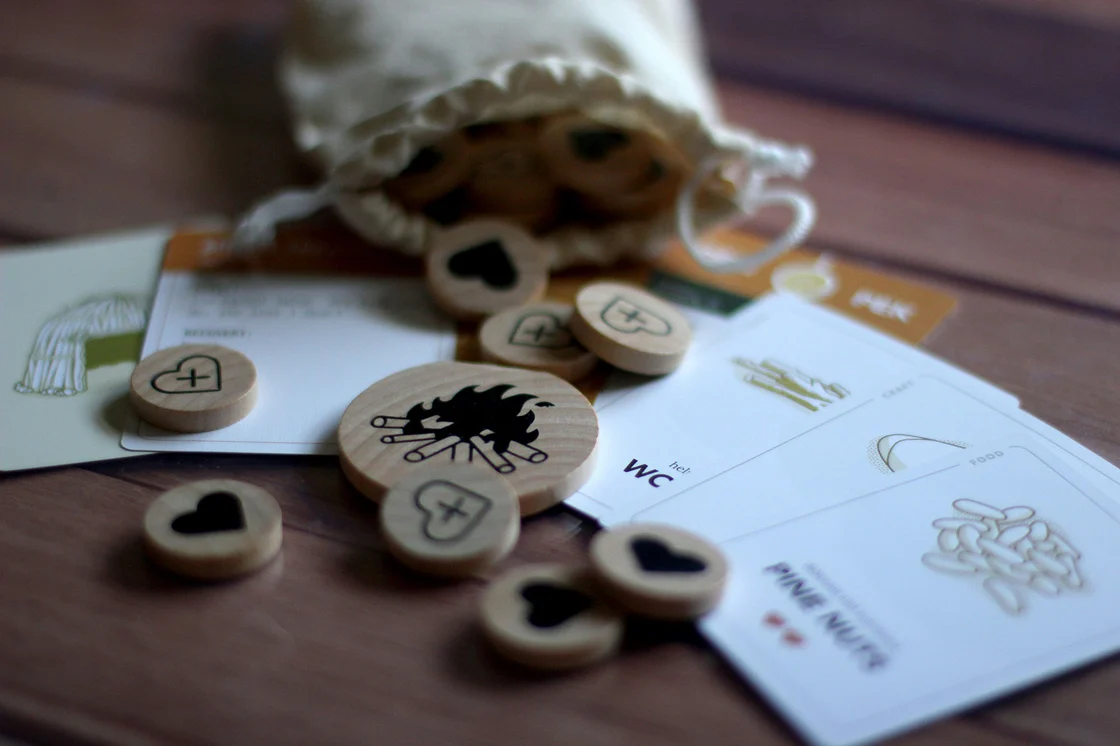
Then, in the moment of debrief, something happens: the eureka moment, the instant when experience turns into awareness. This is where a new point of view emerges, a realization that becomes the building block on which to construct the rest of the journey. Not for everyone in the same way, not at the same pace, but always as a concrete possibility. Play alone is not enough: it is reflection that makes it transformative.
For this to happen, some fundamental conditions are needed. First, a framework of safety: a classroom agreement that becomes social and playful, allowing experimentation and exposure, even in the most awkward or uncomfortable moments.
Second, a design of mechanics that is coherent with the learning objectives: not generic games, but systems conceived to reach precisely that eureka.
And finally, a structured debrief that gathers what has emerged and transforms it into learning.
It is within this balance between freedom and structure that play becomes a daily practice. As Sara writes again, play needs lightness—iocus—but also training—ludus. Because creativity is a muscle, and it must be nourished every day.
From this same line of thought comes the gift we wanted to give this year to clients and partners: an agenda that is also an Atlas of Creativity. A map to be crossed slowly, to be opened and closed again, to be used in moments of fullness as well as suspension. An atlas serves to orient oneself, but also to get lost well. To recognize territories already explored and those still to be imagined. To go back and, at times, completely change direction.
An invitation to make space again—for questions, for intuitions that arise while playing seriously. For that “other” time—made of Kairos rather than Kronos—that makes it possible to see what previously remained invisible.
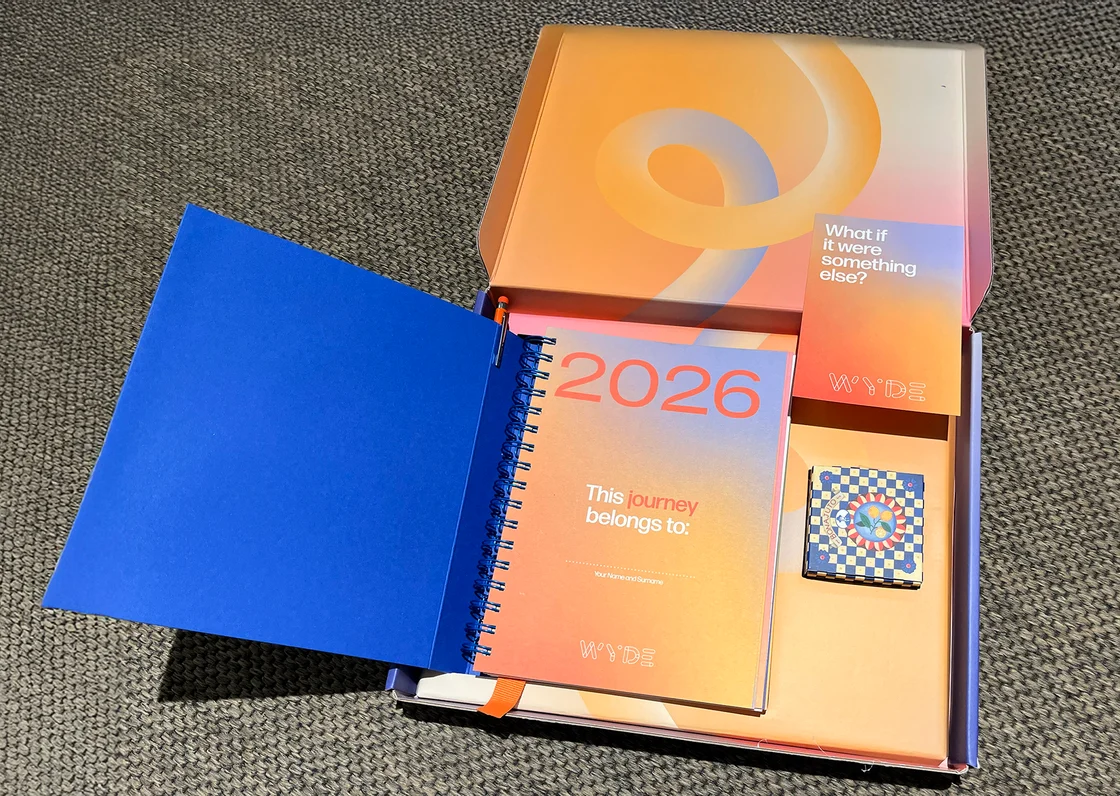
Inside this Atlas there are exercises, references, invitations, and questions. They are designed to create space, to bring connections to the surface, to accompany a time that is not only the time of deadlines, but also that of intuition, conscious choice, and attention to what is beginning to germinate. It is the same time we seek to cultivate in our journeys at Wyde, when we design learning contexts that hold structure and openness together, method and imagination, rigor and play.
This Atlas is our way of saying thank you for the shared journey, for the trust, for the willingness to step into play without always knowing in advance where it would lead. It is also a wish: to have eyes ready to see what often remains on the margins, where the most interesting discoveries are made.
We wish you a new year filled with curiosity, imagination and attention. In the meantime, we will continue to play. Seriously.